
Rafe Berding talks threats to Australians on FIVEAA.
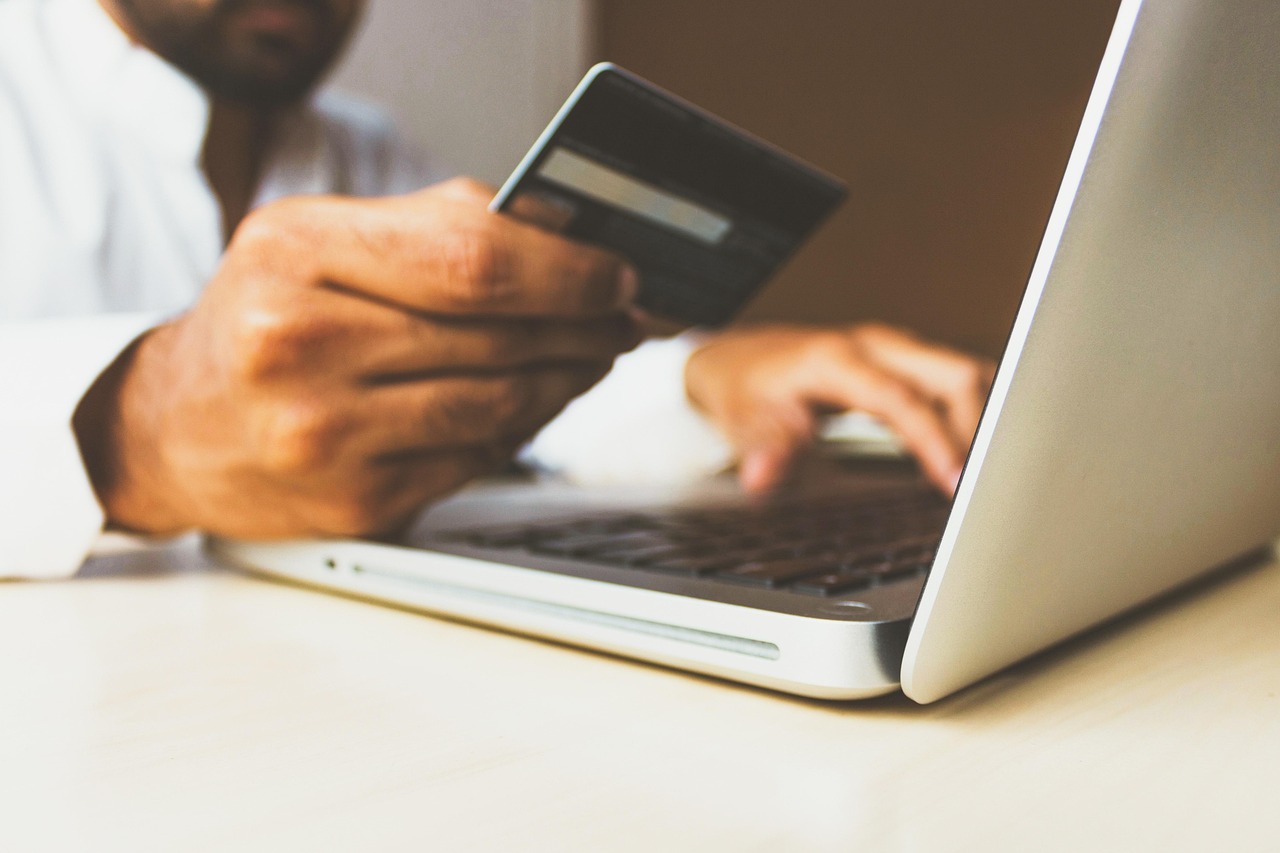
In this segment, AUCyber joins Morning with Graeme Goodings on FIVEAA to discuss how rising consumer spending and Australia's wealth are fuelling cyber criminals' focus on the country.
Australia's growing prosperity has made it an increasingly attractive target for cybercriminals worldwide. As Australians spend more online — from retail and banking to travel and entertainment — the volume and value of digital transactions creates new opportunities for fraud, identity theft, and financial scams.
Why Australia is a Prime Target
According to the Australian Signals Directorate (ASD) Cyber Threat Report, cybercrime costs Australian businesses and individuals billions of dollars each year. The combination of high internet penetration, digital banking adoption, and strong consumer spending makes Australia one of the most targeted nations for cybercriminals.
Rafe Berding, AUCyber's Chief Corporate Affairs Officer, outlined several key reasons why Australia's economic success has become a liability from a cybersecurity perspective:
- Higher average transaction values make Australians more lucrative targets for payment fraud and account takeover attacks.
- Rapid adoption of digital payments, including buy-now-pay-later services and tap-to-pay, has outpaced consumer awareness of associated risks.
- Growing affluence and online investment activity creates opportunities for investment scams and superannuation fraud targeting everyday Australians.
The Most Common Threats During Peak Spending Periods
Holiday seasons, sale events like Black Friday and Click Frenzy, and back-to-school periods consistently see spikes in cybercrime activity. Criminals exploit the urgency and volume of transactions to slip fraudulent activities past consumers and financial institutions alike.
Common threats during high-spending periods include:
- Phishing emails and SMS messages impersonating delivery companies, retailers, or banks
- Fake online stores that collect payment details but never deliver goods
- Account takeover attacks targeting loyalty and rewards programs
- Credential stuffing using leaked passwords to access shopping and banking accounts
What Australians Can Do to Protect Themselves
AUCyber recommends the following steps to stay safe during high-spending periods:
- Use unique, strong passwords for every online account — and a password manager to keep track of them.
- Enable multi-factor authentication (MFA) on email, banking, and shopping accounts.
- Verify website URLs before entering payment details — look for HTTPS and check the domain carefully.
- Monitor bank and credit card statements regularly for unauthorised transactions.
- Be sceptical of unsolicited contact by phone, email, or SMS claiming to be from banks or government agencies.
Listen to the full segment on Mornings with Graeme Goodings on FIVEAA.